Overview
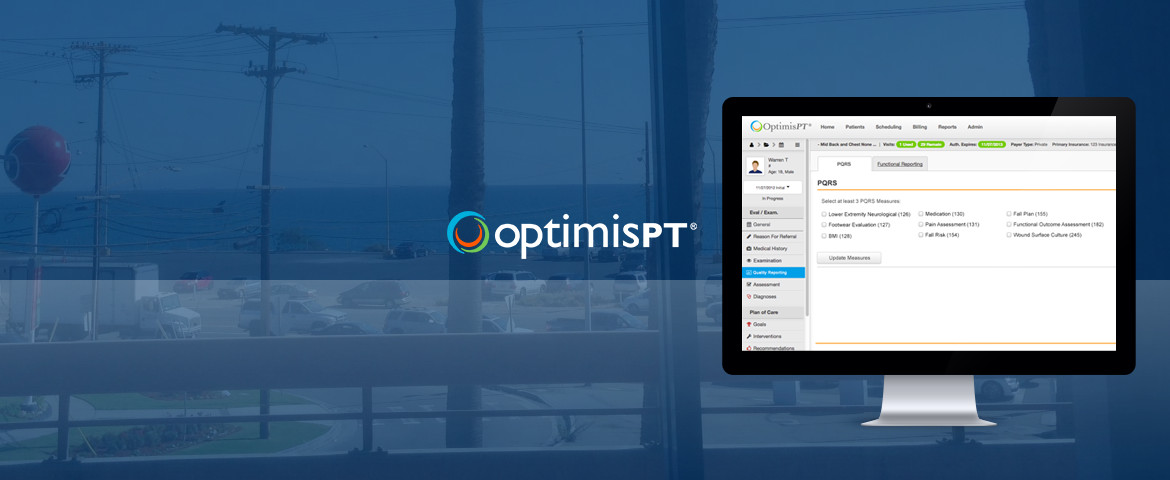
OptimisPT is a physical therapy electronic medical record (EMR) software, built with ruby on rails. Many physicians using OptimisPT operated in multiple clinics and making the EMR accessible through the web allowed therapists to access patient information easily. The parent company, OptimisCorp, owns over 50 physical therapy clinics with headquarters in Murrieta. There was also a lovely office view of Pacific Palisades for the technology team.
Role
At OptimisPT, I worked as a business analyst and UX designer. I acted as the liason of the physical therapy staff and the technology team. It was a heavy research-based role considering most of the technology team had little to no prior knowledge of how physical therapy clinics operated. I wrote user stories in Pivotal Tracker. The user stories provide narrative for my designs and helped developers understand the requirements with the end user in mind.
Challenges
OptimisPT shares the struggle among the medical software community with its nomenclature, which is loosely defined across practices. The problem is that if documentation methods vary, it makes it difficult to send patient information to another practice while retaining the original meaning. Form field labels and content hierarchies also differ, making information portability with other EMR systems difficult.
Ex – “Patient feels moderate pain”
What is moderate in this case? Does it affect the patient’s physical performance or hinder their day-to-day activity? The therapist documenting the patient visit would understand, but if the documentation was sent to another system, it is difficult for the new practice to get the full picture.
Discovery
OptimisPT-owned clinics provided a resource for research. I worked with a product manager, who was also a senior physical therapist, to understand needed product features. I held regular discussions and workshops with PT staff to better understand the target domain. I did ethnographic research in the clinics to understand the workflow, patient visits, and documentation.
Design
PQRS
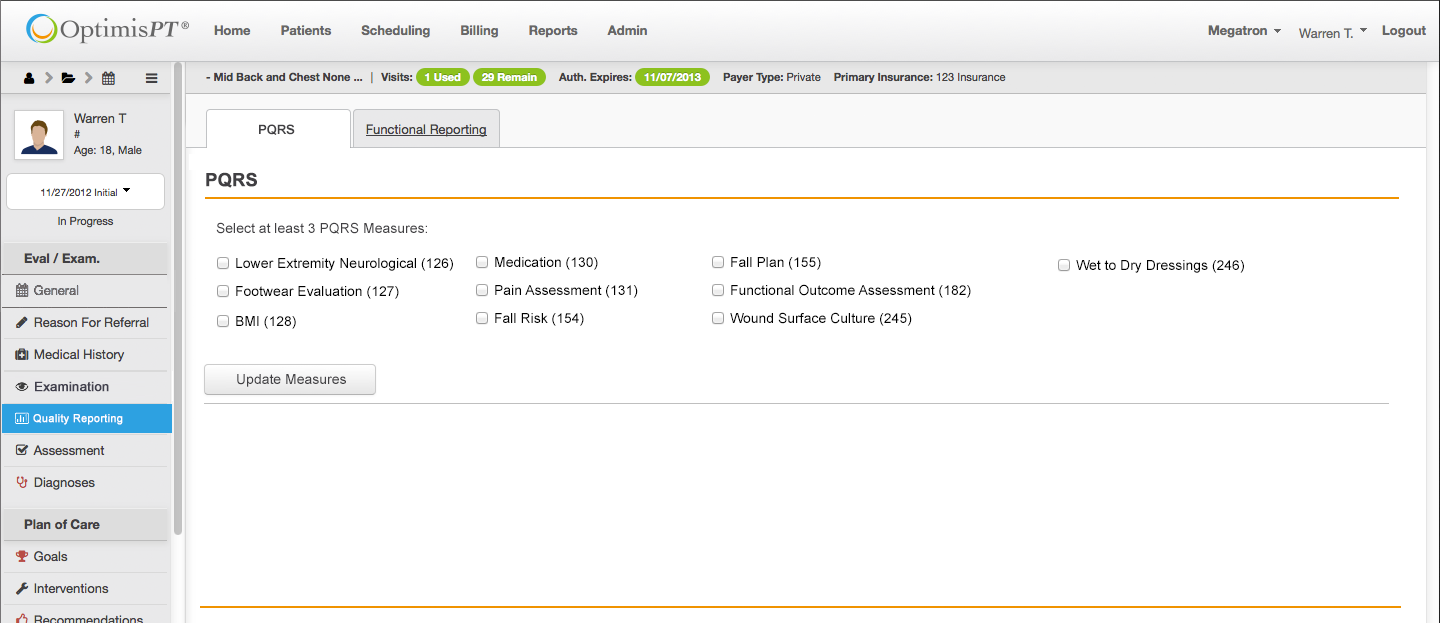
The physician quality reporting system(PQRS) is a way for therapists to assess and report patient performance. PQRS used to be apart of the big challenge of being non-standardized among clinics. That same year, we learned that medicare required practices to follow its standards and naming conventions for PQRS.
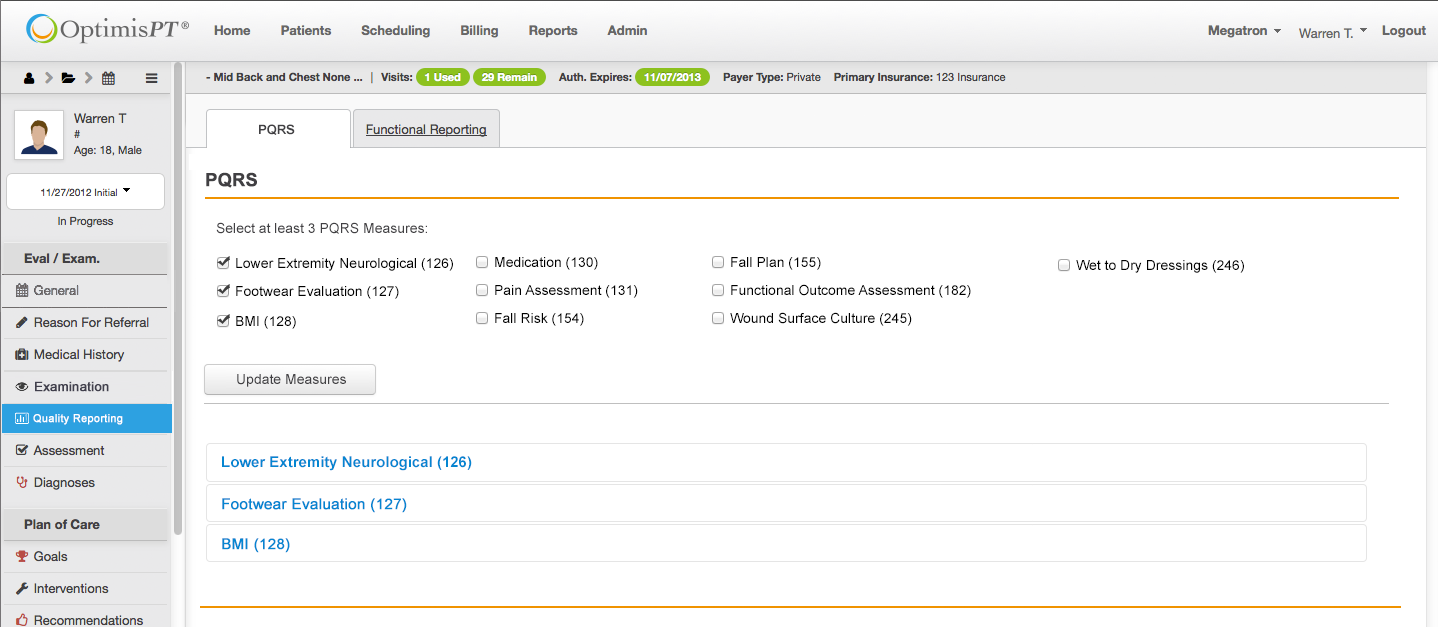
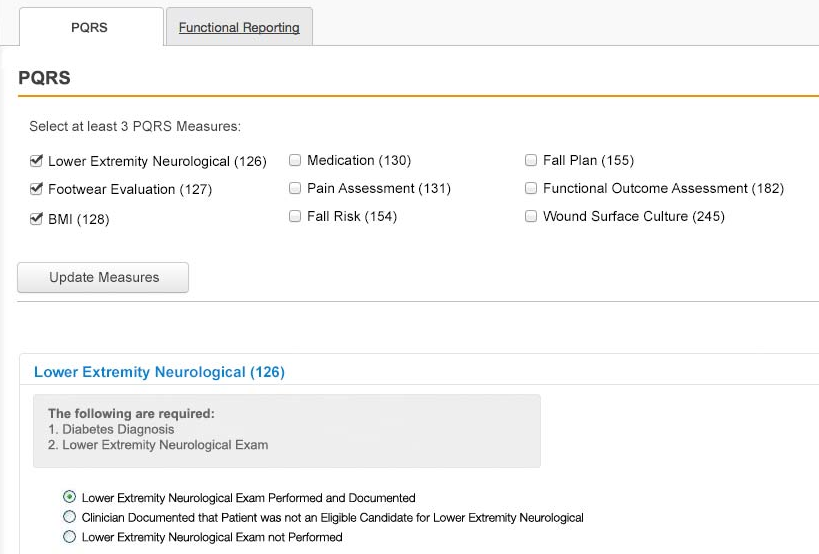
Before the new PQRS design, therapists would document the details in a free-form text box. With the new standards, you have radio selections that are universal among PT EMR systems. This allows for medicare to easily audit a practice and promotes information portability.
Flowsheet
The flowsheet in the physical therapy EMR system is a way for therapists to go through “interventions” or exercises with patients during their visit. It is a means to document in-patient progress and also acts as a “to-do” list of exercises the patient should perform that visit.
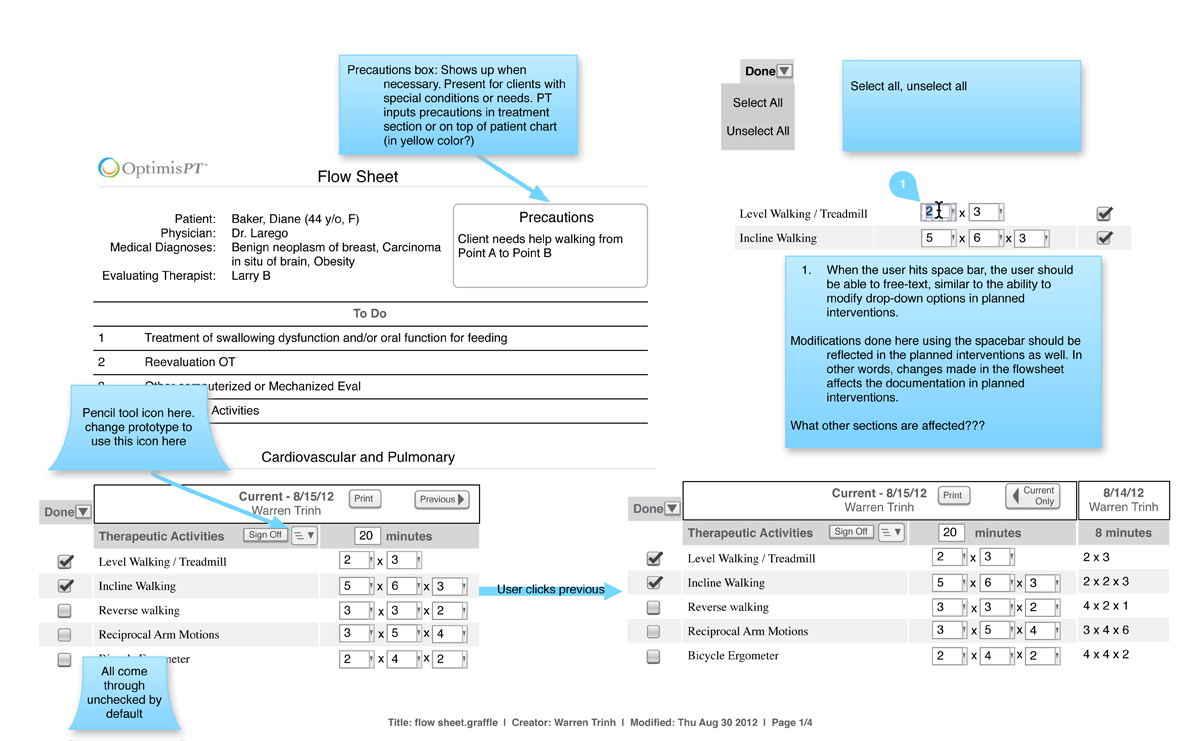
After consulting with PT’s, wireframes were built in Omnigraffle. Through design reviews, the design was validated against product requirements.
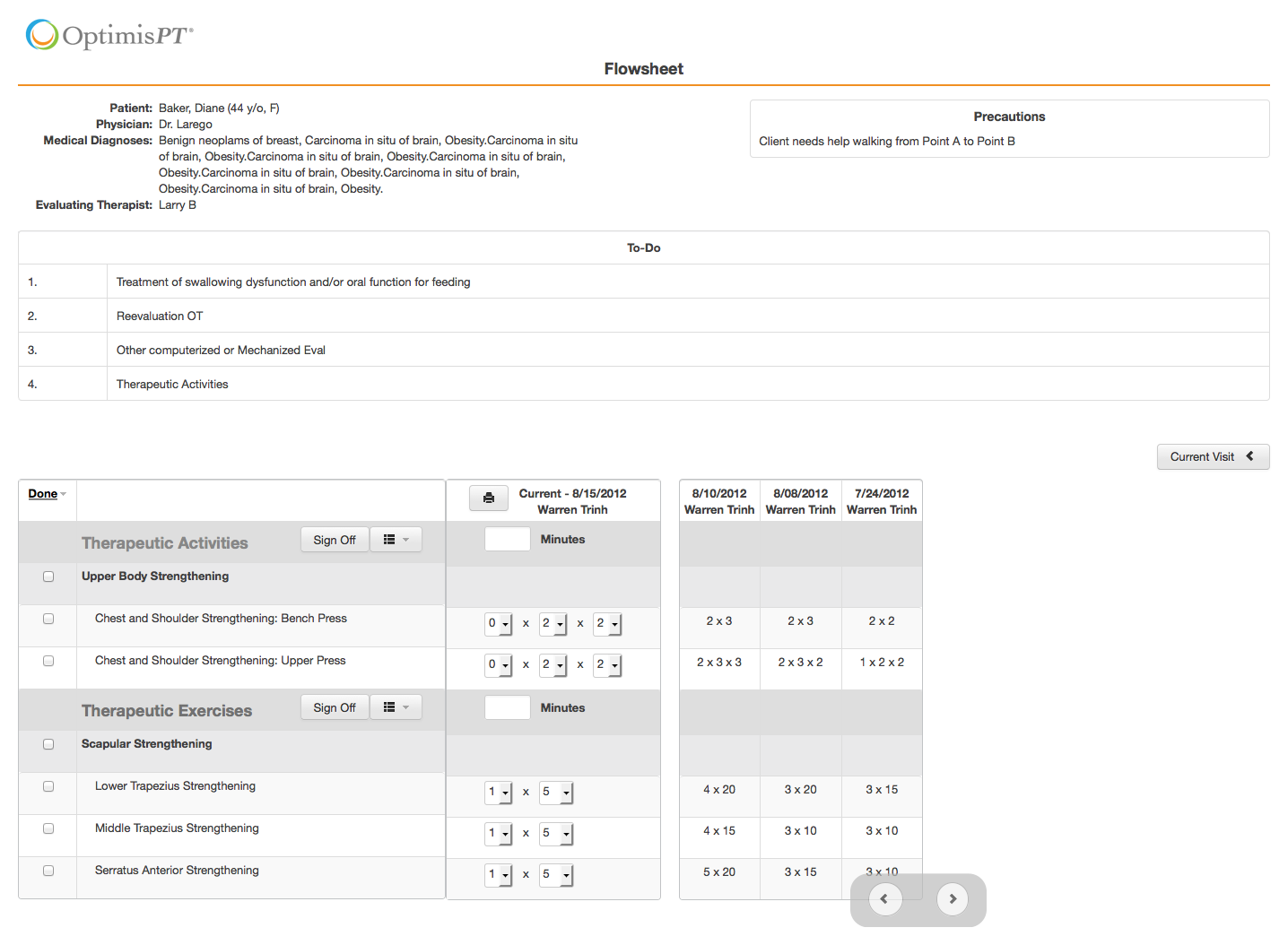
View prototype of the flowsheet
Documents & Attachments
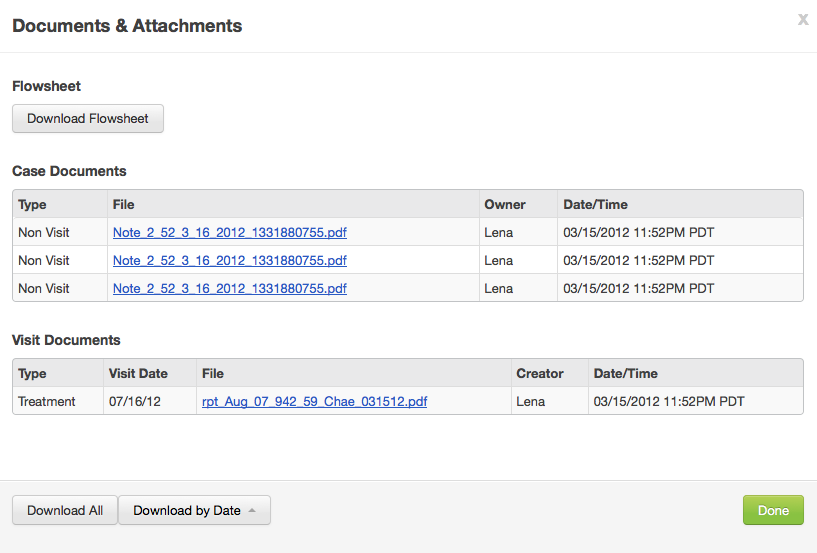 One of the means to help interface with other hospital systems is to provide therapists the ability to add documents and attachments, like PDF’s or Word documents. This way, we were able to acquire patient records that did not fit in with the site form fields and hierarchy. Were were also able to export documentation into PDF format.
View prototype for documents and attachments
HL7
HL7 is a standard protocol that allowed EMR systems to interface with each other. Each practice interfacing with OptimisPT has its own external identifier and code. The identifier type categorized the information being exchanged.
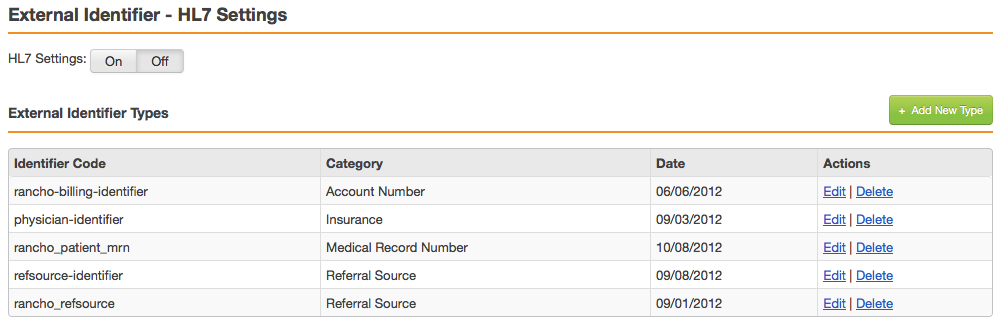 View prototype for HL7 external identifiers
View prototype for HL7 identifier types
Miscellaneous